Chiffon Display Font for Elegant Digital Branding
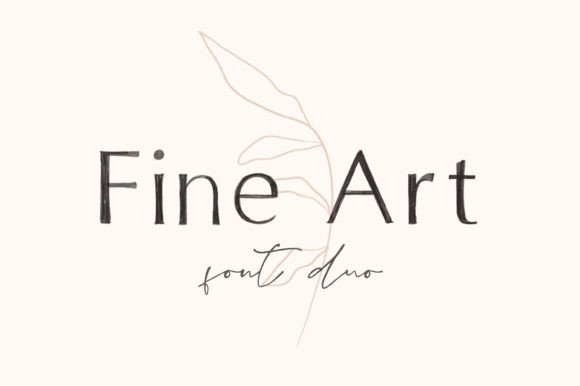
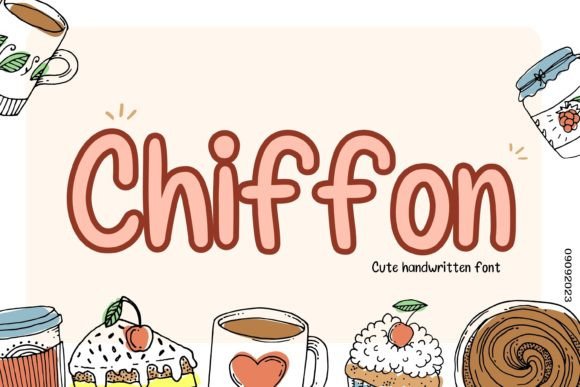
Chiffon is a lovely and charming display font — lightweight, graceful, and intentionally refined. As a premium display font, Chiffon delivers stylistic clarity without visual noise: its airy letterforms, balanced proportions, and subtle contrast make it ideal for digital interfaces where tone and elegance matter as much as legibility. Unlike decorative script fonts that sacrifice readability, Chiffon remains tidy and clean across devices — a rare balance for a display font designed to elevate rather than distract.
Chiffon for Wedding Invitations and Elegant Branding
Chiffon shines in high-intent, emotionally resonant contexts like wedding invitations, boutique e-commerce banners, and luxury service landing pages. Its delicate rhythm supports soft, sophisticated brand voices — think artisanal skincare brands, fine jewelry sites, or editorial blogs focused on slow living. When used as a headline font over a muted background or layered subtly over imagery, Chiffon adds quiet confidence. It’s not loud; it’s intentional. For web designers building conversion-focused layouts, Chiffon works best at 36px and above on desktop, with generous line-height (1.4–1.6) to preserve airiness. On mobile, pair it with a responsive clamp() value to maintain optical weight without shrinking into fragility.
Chiffon for Product Landing Pages and SaaS Hero Sections
Chiffon is a display font built for moments of first impression — especially hero sections where users decide in under three seconds whether to stay or scroll. Its stylish, clean presence communicates polish without pretension, making it a strong choice for creative SaaS tools, design-led apps, or premium digital course sales pages. Use Chiffon only for primary headlines (H1), subheadlines (H2), or short value propositions — never for body copy or CTAs requiring immediate action. For buttons, stick with a neutral sans serif (like Inter or Manrope) to ensure scannability and tap-target compliance. Chiffon’s strength lies in tonal anchoring: it tells users, “This is considered, curated, and human-centered.” That perception directly supports trust and conversion lift in competitive digital spaces.
Chiffon for Online Store Banners and Boutique Shop Headers
When designing for online stores — especially lifestyle, fashion, or handmade goods — Chiffon reinforces brand distinction in banner zones, collection headers, and seasonal promo graphics. As a display font, it performs best when isolated: one word (“Summer”), two words (“New Arrivals”), or a tight phrase (“Handcrafted with Care”). Avoid stacking multiple Chiffon lines or using it over busy image overlays — its charm lives in restraint. For dark-mode compatibility, test Chiffon at 85% opacity over deep charcoal (not pure black) to retain delicacy without sacrificing contrast. Always serve Chiffon as a WOFF2 webfont with fallbacks defined in CSS to guarantee consistent rendering across Chrome, Safari, and Firefox.
Chiffon for Creative Portfolios and Designer Personal Sites
Chiffon is a display font that quietly signals creative fluency — perfect for UI designers, illustrators, or motion artists building personal portfolios. Its tidy structure pairs naturally with minimalist layouts, generous whitespace, and grid-based project showcases. Use Chiffon for section titles (“Work,” “Process,” “About”) and project names, then switch to a highly legible sans serif (e.g., Space Grotesk or IBM Plex Sans) for descriptions and case study text. This pairing creates clear visual hierarchy: Chiffon draws the eye, your body font holds attention. Bonus tip: if your portfolio includes downloadable assets or brand kits, include Chiffon in your style guide as the designated “tone-setter” font — reinforcing consistency across web, social, and pitch decks.
Chiffon for Blog Headers and Editorial Digital Experiences
Chiffon brings editorial warmth to blog headers, newsletter subject lines, and long-form content teasers — especially for creators writing about design, wellness, travel, or craftsmanship. As a display font, it avoids the sterility of ultra-minimalist type while staying far more legible than ornate scripts. For optimal readability on screen, limit Chiffon to headings and pull quotes. Never use it below 24px for desktop or below 20px on mobile. Combine it with a serif body font (like Literata or Crimson Pro) for contrast-rich, magazine-style rhythm — or go monolinear with a geometric sans for modern clarity. Either way, Chiffon sets the mood before the first sentence is read.
Chiffon for Logo Text and Branded Web Components
Chiffon is a display font with logo-ready character — its clean construction and even spacing translate well to SVG exports and responsive logo treatments. While not a full branding system on its own, Chiffon excels as primary logotype for studios, boutiques, or solopreneur brands prioritizing approachable elegance. For web implementation, embed Chiffon as a variable font (if available) or use font-display: swap to prevent invisible text during load. Always verify commercial licensing covers web embedding, client projects, and template resale — many premium fonts restrict usage to personal sites unless upgraded. Chiffon’s versatility across official and informal projects means one license often covers landing pages, Shopify themes, Notion brand kits, and Figma design systems.
Chiffon for Social Media Graphics and Digital Ad Campaigns
Chiffon stands out in static and animated social graphics — particularly Instagram carousels, Pinterest pins, and LinkedIn banner headers — because it scales gracefully and retains personality at small sizes. As a display font, it’s most effective when used sparingly: one centered headline per frame, no more than five words, with ample padding. Avoid thin strokes on low-res screens by testing exports at 72dpi and 144dpi. For digital ads, pair Chiffon with bold sans-serif body copy and high-contrast backgrounds to ensure message retention in fast-scrolling feeds. Its ability to “give your designs a treme” comes from tonal cohesion — not decoration — making it a strategic asset for campaigns where brand recognition matters more than trend-chasing.